Microjet-Therapy
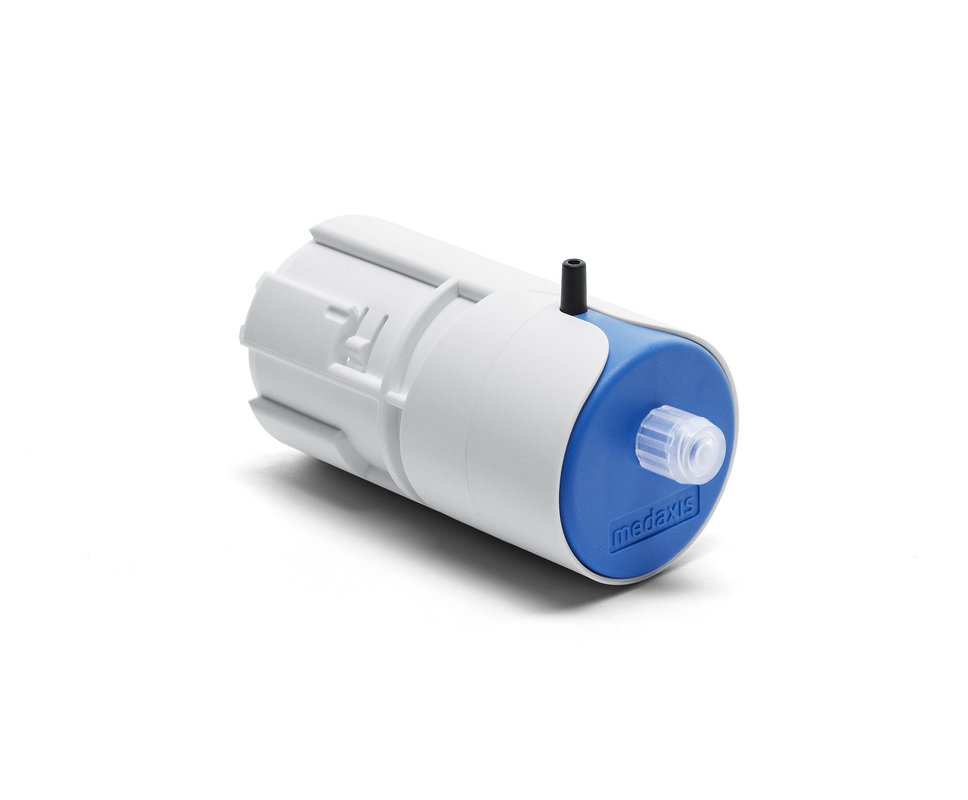
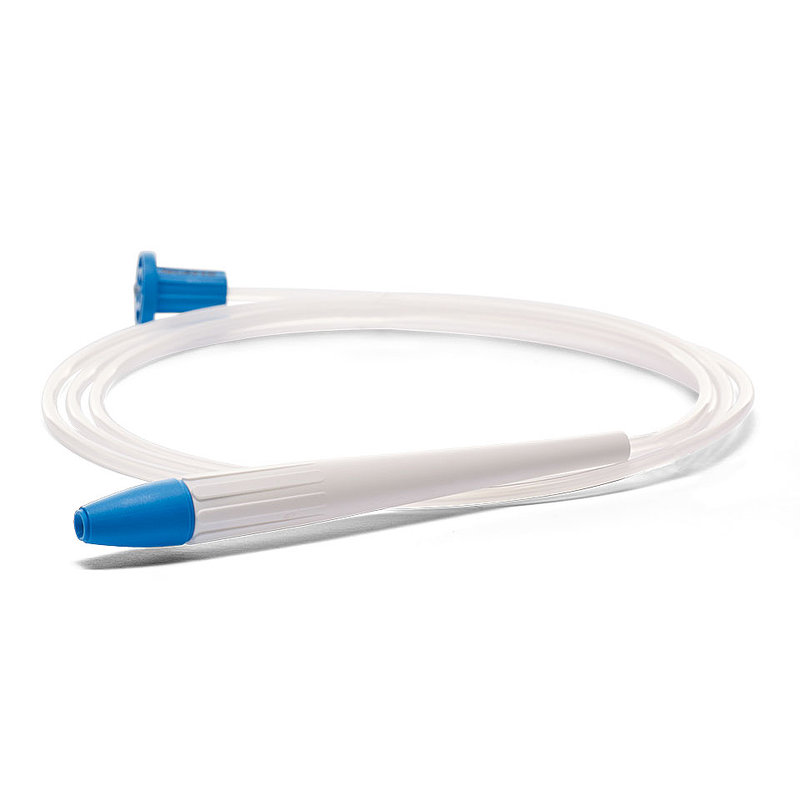
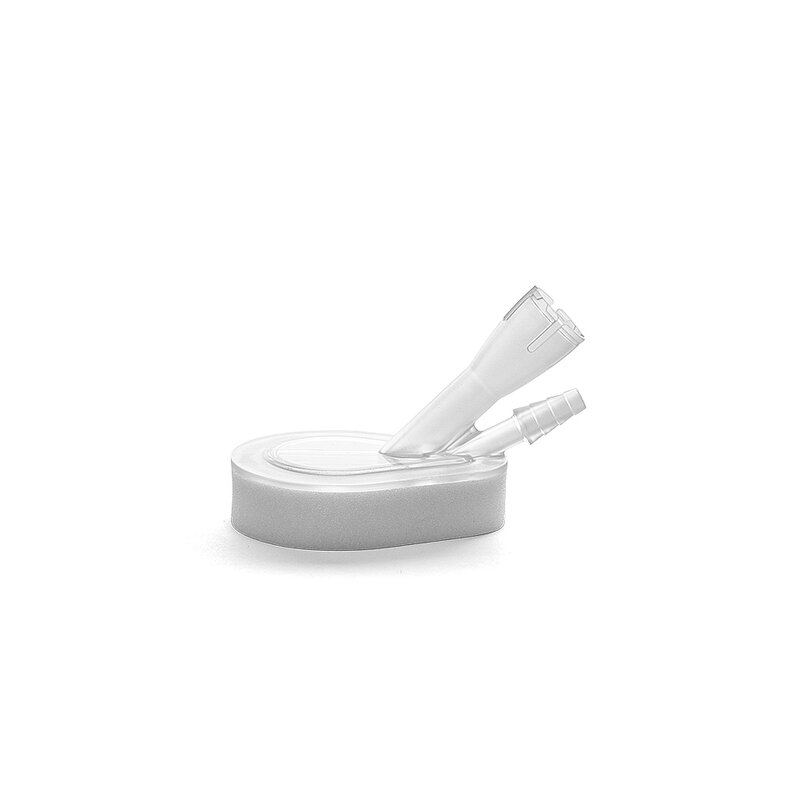
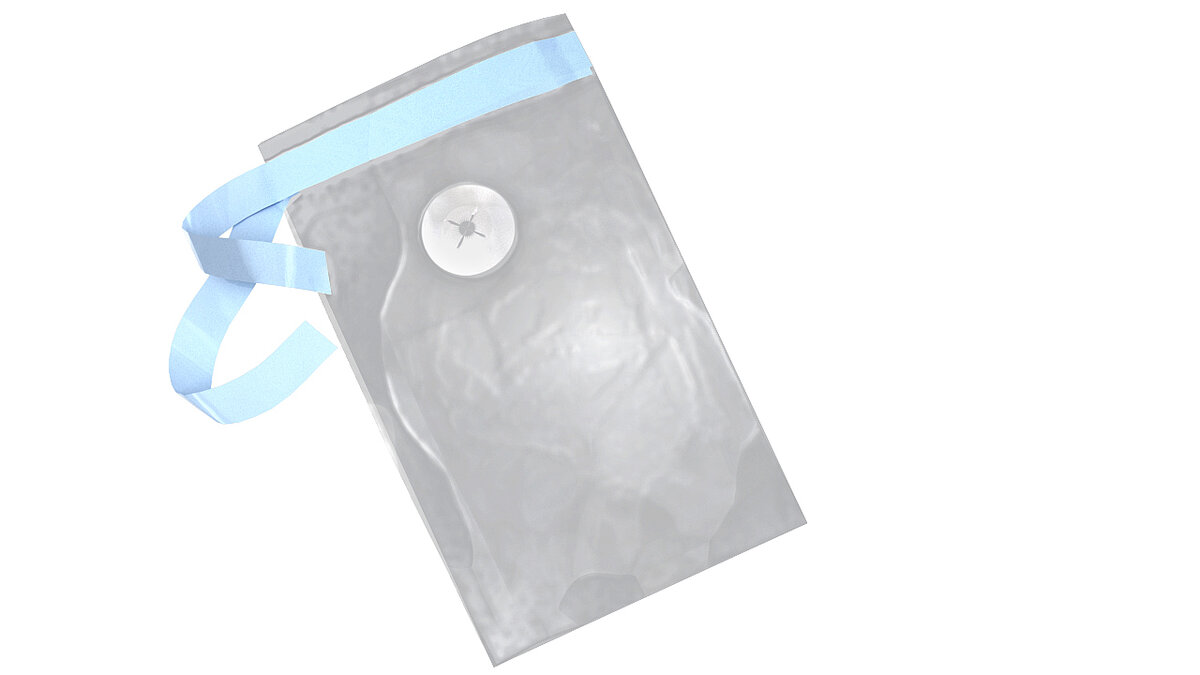
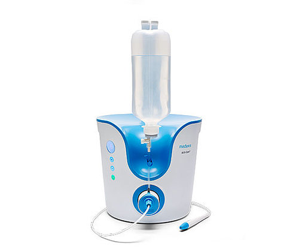
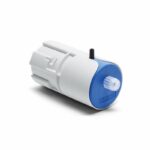
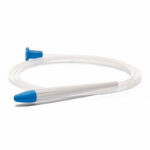
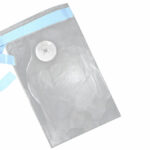
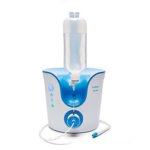
Medaxis Microjet wound therapy has been classified as a proven and effective treatment according to various clinical studies, contributing to optimal wound bed preparation and accelerated healing.
Most wound treatment therapies are limited to a single mechanism of action. The Medaxis Microjet not only cleanses acute and chronic wounds, but also offers multiple clinical benefits whilst promoting healing.
+ Microhaemorrhages and neovascularisation
The Microjet induces microhaemorrhages, supplying the wound with the oxygen and nutrients required for neovascularisation and tissue growth.
+ Stimulation and oxygen supply
The stimulation of the wound bed by the Microjet increases cell activity and promotes blood flow, enabling oxygen administered during treatment to reach the wound.
+ Removal of biofilm and reduction of bacterial load
Biofilm is a major obstacle to wound healing. Its removal by the microjet stream leads to a reduction in the bacterial load, which is important for the healing process.
+ Restoring chronic wounds to the state of acute wounds
Stagnant, chronic wounds are restored to the state of an acute wound by microjet therapy, i.e. wound healing is restarted.
The clinical results of Medaxis microjet therapy show significantly faster wound healing, a lower infection rate and fewer side effects.
The Medaxis microjet wound therapy system uses a highly focused micro-water jet to remove soft to tough wound debris from the wound with precision and in a way that minimises tissue damage. A sterile fluid is sprayed onto the wound surface via a handpiece set to a preselected intensity. The practitioner, patient and surrounding area are protected from contamination by coverings.
Wound cleansing is continued until all debris has been removed. Minimal superficial bleeding from the wound bed is a desired effect. Through these micro-bleedings, the practitioner specifically induces a state of hyperaemia, which accelerates the regenerative wound-healing process during all four phases of wound healing.
Various fluids can be used, such as 0.9% NaCl and Ringer’s solution. Other irrigation fluids, antimicrobial solutions or disinfectants may be used as prescribed by a healthcare professional.
Bags of up to 1,000 ml can be attached to the microjet wound therapy system. A 1,000 ml bag lasts approximately 12 minutes when used continuously at a high intensity level.
Microjet wound therapy offers a wide range of intensities with an impact pressure of 0.1 to 160 bar. Impact pressure is the pressure to which the wound is exposed.
Two different methods can be used to set the pressure:
– The pressure can be set on the device from level 1 to 5.
– The choice of handpiece also allows the pressure impact to be adjusted (standard > wide).
However, the most important factors are the distance and the angle at which the handpiece is held relative to the wound bed.
The optimal working angle is between 3° and 45° relative to the wound surface. The recommended distance from the wound depends on the handpiece used:
• standard jet: recommended working distance 15–20 cm
• flat jet narrow: recommended working distance 4–10 cm